

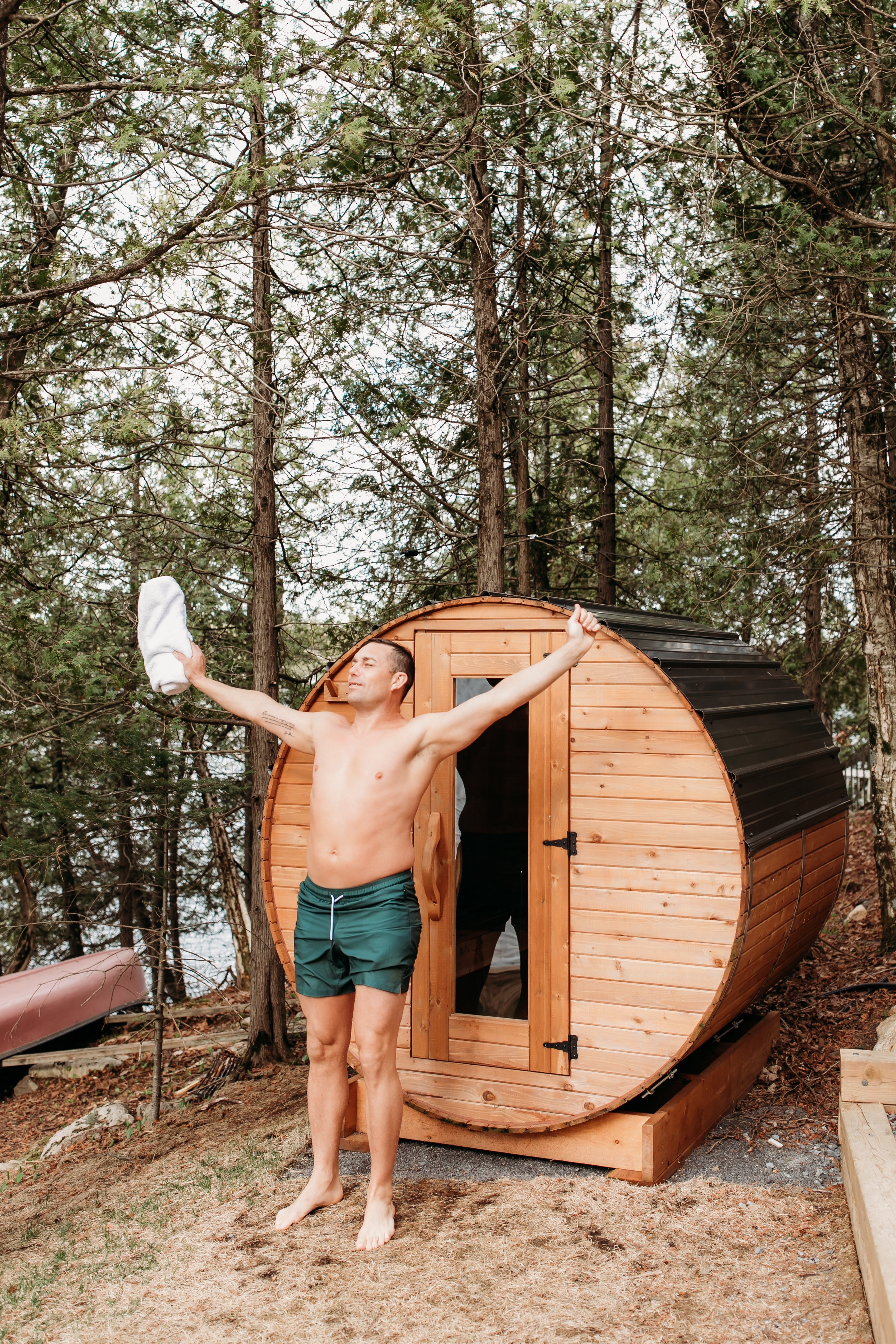
How Sauna Use Can Help Reduce Anxiety
In today’s always-on world, anxiety and chronic stress have become incredibly common. While there’s no single cure-all, many people are rediscovering a powerful, natural tool that has been used for centuries: the sauna.
At Kodiak Saunas, we often hear customers say their sauna quickly becomes their favorite place to unwind. And it’s not just anecdotal — a growing body of research suggests regular sauna use may support relaxation, improve mood, and help manage anxiety symptoms.
Below, we break down what the science actually says and how to use your sauna to get the most mental wellness benefits.
Why Sauna Use Helps With Anxiety
Heat helps shift your body out of “fight-or-flight”
When you step into a hot sauna, your body begins a controlled stress response. Heart rate rises, blood vessels dilate, and your nervous system starts to adapt.
The key benefit comes afterward.
Research published in Evidence-Based Complementary and Alternative Medicine notes that sauna bathing activates the parasympathetic nervous system — the “rest and digest” mode responsible for calmness and recovery.¹
In simple terms: sauna use helps your body practice relaxing.
Over time, regular sessions may make it easier for your system to downshift after stressful moments.
Regular sauna bathing is linked to better mental well-being
One of the most cited areas of sauna research comes from long-term Finnish population studies, where sauna use is part of everyday life.
A large cohort study led by Jari Laukkanen found that frequent sauna bathing was associated with lower risk of several chronic conditions and improved overall well-being.² While the study focused heavily on cardiovascular outcomes, the authors also noted strong links between sauna use and relaxation and stress reduction.
More recently, a Swedish population study (2023) reported that sauna users were less likely to report symptoms of anxiety and mild depression compared to non-users.³
Important note: these studies show correlation, not direct causation — but the consistency is encouraging.
Sauna sessions can improve sleep (which directly affects anxiety)
Poor sleep and anxiety tend to reinforce each other. When sleep improves, many people notice their baseline stress levels drop.
Heat exposure followed by cooling helps support the body’s natural nighttime temperature rhythm. According to research in the Journal of Human Kinetics, passive body heating like sauna bathing may promote deeper and more restorative sleep.⁴
Better sleep often translates to:
-
Improved emotional regulation
-
Lower perceived stress
-
Better daytime focus
-
Reduced anxiety symptoms
For many Kodiak sauna owners, this is one of the most noticeable benefits.
Endorphin release creates the post-sauna calm
If you’ve ever felt unusually relaxed — almost euphoric — after a sauna, you’re not imagining it.
Heat exposure stimulates the release of endorphins and other mood-supporting neurochemicals. A review in Mayo Clinic Proceedings describes sauna bathing as producing a mild, exercise-like hormonal response that many users experience as improved mood and relaxation.⁵
This is one reason sauna bathing often becomes a habit: your body starts to associate it with feeling good.
How to Use Your Sauna for Anxiety Relief
You don’t need to overcomplicate things. Consistency beats intensity every time.
Start with a realistic routine
For most people:
-
2–4 sauna sessions per week is a strong starting point
-
Frequent Finnish users often sauna 4–7 times weekly, but build gradually
If you’re new to sauna use, focus on building the habit first.
Dial in your session length
A practical guideline:
-
10–20 minutes per round
-
1–3 rounds with cool-down breaks if desired
You should feel very warm and relaxed — not overwhelmed.
Use proper sauna temperatures
Traditional Finnish-style sauna research typically falls around:
-
79–90°C (174–194°F)
If you’re new to outdoor saunas, start on the lower end and work your way up.
Add simple breathwork inside the sauna
One of the easiest ways to amplify anxiety relief:
-
Breathe slowly through your nose
-
Extend your exhales slightly longer than inhales
-
Relax your shoulders and jaw
This helps signal safety to your nervous system and deepens the calming effect.
Consider hot-cold contrast
Many experienced sauna users pair heat with cooling:
-
Cold shower
-
Cold plunge
-
Fresh outdoor air in winter
While not mandatory, contrast therapy may further stimulate circulation and enhance the post-sauna calm feeling.
The Bottom Line
The modern research is lining up with centuries of tradition: regular sauna use appears to support the nervous system in ways that can help reduce stress and anxiety symptoms.
Through a combination of heat exposure, improved sleep, endorphin release, and intentional downtime, sauna bathing offers a simple but powerful mental reset.
For many people, the hardest part isn’t the heat — it’s making time to slow down. Once the habit is built, the benefits tend to speak for themselves.
Thinking About Adding a Sauna to Your Routine?
Kodiak Saunas builds premium outdoor saunas designed for real Canadian climates and real everyday use. If your goal is to create a consistent wellness ritual at home or at the cottage, choosing the right sauna makes all the difference.
References
-
Hussain, J., & Cohen, M. (2018). Clinical Effects of Regular Dry Sauna Bathing. Evidence-Based Complementary and Alternative Medicine.
-
Laukkanen, T., et al. (2015). Association Between Sauna Bathing and Fatal Cardiovascular and All-Cause Mortality. JAMA Internal Medicine.
-
Swedish population sauna study on mental well-being (2023).
-
Haghayegh, S., et al. (2019). Before-bedtime passive body heating improves sleep. Journal of Human Kinetics.
-
Hannuksela, M. L., & Ellahham, S. (2001). Benefits and risks of sauna bathing. Mayo Clinic Proceedings.
Share:
Sauna Detox – Fact vs. Myth
Can Sitting in a Sauna Be Good for Your Heart? Here’s What Research Reveals